Possible Hidden Risks of GLP-1 Drugs: What Patients Should Know About Side Effects
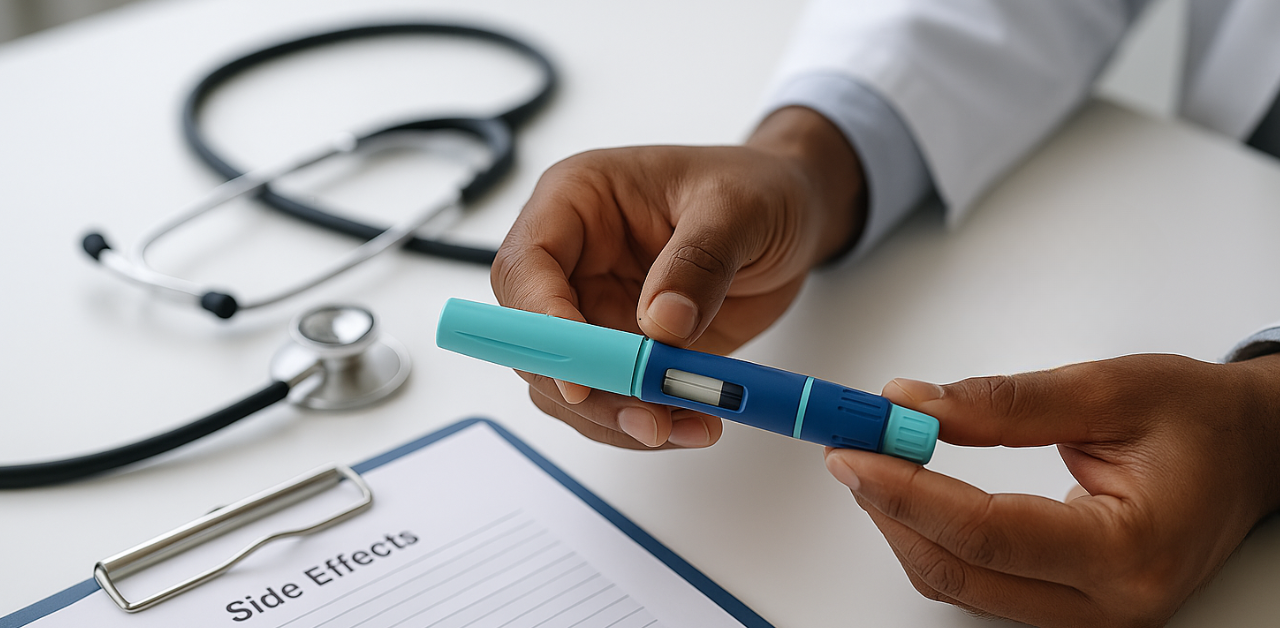
GLP-1 medications like semaglutide (Ozempic/Wegovy), liraglutide, dulaglutide, and others have become some of the most popular treatments for type 2 diabetes and weight loss. Millions of people now use these medicines every month. Because so many adults are starting GLP-1 drugs, it is more important than ever to understand their possible risks and side effects, not just their benefits.
A new review published in Diabetes Care looked at real-world reports, national prescription data, and known safety information to help explain what patients and healthcare providers should watch for. The review highlights that while GLP-1 drugs are effective for blood sugar control and weight loss, they also come with side effects, some mild, others more serious.
Why GLP-1 Drugs Cause Side Effects
GLP-1 medications work by copying a natural hormone your body releases after eating. This hormone:
- helps the pancreas release insulin,
- slows digestion,
- reduces hunger, and
- lowers blood sugar.
These actions explain why GLP-1 drugs help with diabetes and weight loss. But they also explain why side effects happen.
Slower digestion can cause stomach issues. Changes in gallbladder activity may lead to gallstones. Rapid weight loss may affect muscle tissue. As more people take higher doses of these medications, doctors are watching closely for changing patterns in side effects.
Common Side Effects Patients Report Most Often
According to the review, the most frequently reported side effects are gastrointestinal symptoms. These are usually mild but can be uncomfortable, especially when people first start the medication.
- Nausea and Vomiting
Nausea is the most common complaint, affecting a large percentage of new users. Some people vomit during the first few weeks of treatment, especially at higher doses. The research review explains that this happens because the stomach empties more slowly while taking GLP-1 drugs.
- Diarrhea and Constipation
Some patients experience loose stools, while others have constipation. These symptoms often improve as the body adjusts, but they can return when doses increase.
- Stomach Pain and Bloating
Cramping and fullness are also common. These symptoms tend to improve with slow dose increases and by avoiding large meals.
These side effects are expected, and in most cases short-lived, but they can still affect quality of life.
More Serious Risks to Be Aware Of
While uncommon, several more serious risks have been reported with GLP-1 drug use.
- Gallbladder Problems
Gallstones and gallbladder inflammation may show up more often in people taking GLP-1 medications.
The benefit of taking thes drugs, which is rapid weight loss, can increase gallstone risk even without medication, so tell your doctor if you have symptoms such as:
- sharp right-side stomach pain
- fever
- nausea lasting several hours
- Pancreatitis (Rare but Important)
Pancreatitis is inflammation of the pancreas. It is rare, but cases appear in safety reports. Symptoms include:
- strong upper stomach pain
- pain that spreads to the back
- vomiting
Researchers emphasize that the overall numbers remain low, and no major spike in pancreatitis has been seen as more people begin using GLP-1 medicines.
- Muscle Loss With Rapid Weight Loss
The review warns that losing weight too quickly can reduce both fat and lean muscle mass.
This risk is higher for older adults or people who do not get enough protein.
Doctors recommend:
- strength training
- balanced nutrition
- regular check-ins during weight loss
- Kidney and Dehydration Concerns
Severe vomiting or diarrhea can lead to dehydration, which in turn can stress the kidneys.
Patients with kidney disease may need closer monitoring.
What This Means for Patients Today
The review of these studies show that GLP-1 drugs are still considered safe for most people, but they are not risk-free. Patients should talk with their healthcare providers about:
- How quickly to increase the dose
- Your history of gallbladder or stomach problems
- what symptoms to watch for
These conversations are especially important for people taking GLP-1 drugs for weight loss rather than diabetes, as they might not be monitored as closely.
When taking GLP-1 medications you should:
- Ensure you have proper hydration
- Check with your doctor about the amount of exercise and nutrition you need to protect muscle mass
Overall, the review shows that GLP-1 medications offer major health benefits, but understanding the risks helps people use them safely and feel more prepared during treatment.
Source:
Tseng AS, McEwan LN, Herman WH. Efficacy and Safety of GLP-1 Medicines for Type 2 Diabetes and Obesity. Diabetes Care. 2024;47(11):1873-1881. https://diabetesjournals.org/care/article/47/11/1873/156807/Efficacy-and-Safety-of-GLP-1-Medicines-for-Type-2