How Can We Stop Lyme Disease? What the Research Says
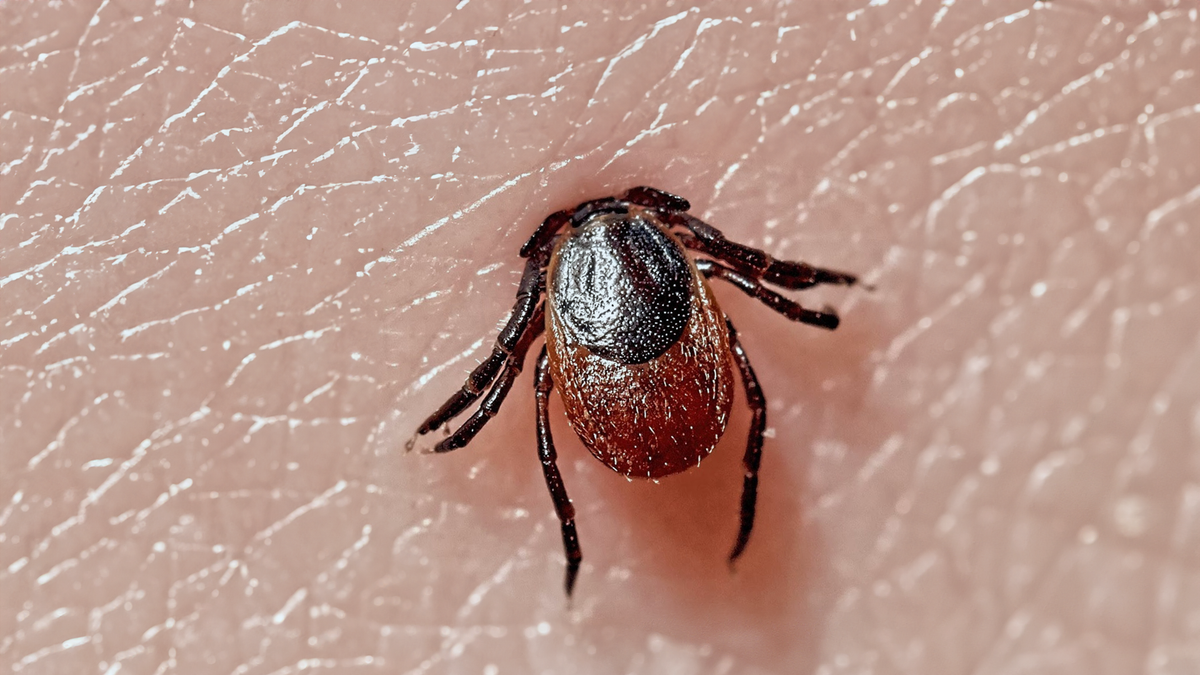
If you spend time outdoors, you’ve probably heard of Lyme disease. Maybe you’ve even done a tick check after a hike or picnic. Lyme disease is the most common tick-borne illness in North America, and cases are rising every year.
But here’s the good news: researchers have been studying Lyme prevention for decades, and a recent review pulled together over 100 studies to see what really works.
What did the research discover?
This study didn’t run a single experiment. Instead, scientists collected and compared information from 127 studies published between 1977 and 2024. Most of these studies came from the United States, with a few from Canada and Europe.
The goal was to figure out which strategies work best to keep people from getting bitten by ticks and infected with the bacteria that cause Lyme disease.
The results were clear: chemical tick sprays, called acaricides (such as permethrin which is available over the counter), were the most reliable option. On average, they reduced tick numbers by about 94%. Another strong approach involved special feeding stations for deer, called 4-Poster devices, which treat deer with tick-killing chemicals while they eat.
Other methods, like tick tubes for mice or natural products such as cedar oil, worked sometimes but were less consistent. The researchers also pointed out that effectiveness isn’t the only thing that matters.
What is Lyme Disease and How often do people get it?
Lyme disease is caused by bacteria spread through the bite of infected blacklegged ticks (also called deer ticks). Early symptoms often include fever and a circular rash. If it isn’t treated, Lyme disease can spread to the heart, nervous system, and joints, leading to long-lasting problems.
The disease is spreading as tick populations grow. In Canada, reported cases rose from less than 1 per 100,000 people in 2011 to over 8 per 100,000 in 2021. In the United States, about 18.8 cases per 100,000 people were reported in 2022—but experts think the true number is much higher, since many cases go undiagnosed or unreported.
How is Lyme Disease Treated?
The good news is that Lyme disease can be treated with antibiotics, especially if caught early. Medications like doxycycline usually clear the infection, and most people recover fully.
Researchers have also experimented with giving antibiotics or vaccines to wild animals such as mice, to try to break the cycle of infection in nature. But for people, the mainstay of treatment remains a timely prescription from a doctor.
How is Lyme Disease Prevented?
When it comes to Lyme disease, prevention is the best medicine. The review looked at four main strategies:
- Yard and landscape changes: Cutting tall grass, removing leaf piles, and creating woodchip borders to reduce tick habitats.
- Targeting animals: Since ticks feed on deer and mice, some methods treat these animals directly with tick-killing products or keep deer out of certain areas with fencing.
- Chemical and natural sprays: Chemical acaricides such as permethrin which are available over the counter are the most effective. These products can be sprayed on outdoor clothing. In addition, natural alternatives like cedar oil and certain fungi are being tested for people who prefer non-chemical solutions but may not be as consistent according to the researchers.
- Personal protection: Wearing insect repellent, treating clothing with permethrin, checking your body for ticks after being outdoors, and showering soon after coming inside all reduce risk.
How can I apply this information?
The researchers concluded that no single method is perfect. Chemical sprays are the most effective, but combining strategies—like yard management plus repellents—may give the best protection. Decisions about prevention should also consider the environment, costs, and what local communities are comfortable with.
The takeaway here is that Lyme disease is on the rise, but it’s not unstoppable. With smart prevention strategies, early treatment, and community awareness, we can cut down the risk.
What you can do:
- Use tick repellent when outdoors.
- Check yourself and your pets for ticks after being outside.
- Keep your yard tidy and less tick-friendly.
- Talk to your local health department about community tick-control programs.
The research shows that prevention works, it’s just about finding the right mix for your home and community.
Source:
Ost K, Norman M, Dumas A, Corrin T, Waddell L, Schryer R, et al. A systematic review of the effectiveness and utility of Lyme disease prevention measures in Canada, the United States, and Europe. BMC Infectious Diseases. 2025 Jul 2;25(1). https://pmc.ncbi.nlm.nih.gov/articles/PMC12224580/