Can Taking Folic Acid in Pregnancy Lower Autism Risk?
Autism is a developmental condition that affects communication, social interaction, and behavior. Its rates have been rising worldwide, which has led researchers to look at both genetic and environmental factors. One question is whether a mother’s diet—especially folic acid intake during pregnancy—can play a role in lowering autism risk for her child.
What Is Folic Acid and Why Does It Matter?
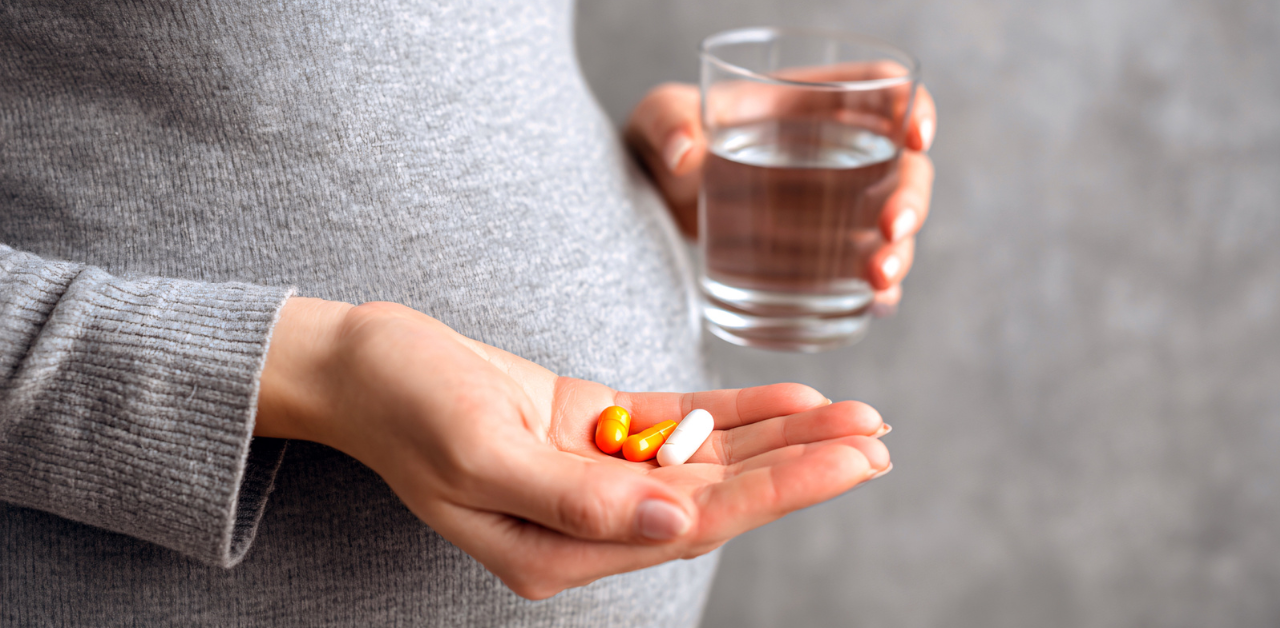
Folic acid is a type of vitamin B (also called vitamin B9) that helps the body make DNA, RNA, and proteins. It is essential for brain and nervous system development in babies. Doctors already recommend folic acid for women who may become pregnant to prevent serious birth defects like spina bifida. Folic acid is commonly an ingredient in prenatal vitamins that are prescribed during pregnancy.
Since folic acid is also important for brain development, scientists wanted to know if it could reduce the risk of autism spectrum disorder (ASD) when taken before or during pregnancy.
What Did the Research Discover?
How the study was conducted
This was a meta-analysis, which means researchers combined results from many different studies.
- They reviewed 10 studies with a total of 23 sub-studies, including 9,795 children diagnosed with autism
- The studies came from several countries, including the USA, Israel, China, and across Europe.
- Researchers looked at when folic acid was taken (before pregnancy, early pregnancy, or later), how much was taken, and whether it was used alone or with other vitamins.
The results
- Mothers who took folic acid during pregnancy had a 43% lower risk of having a child with autism compared to those who did not
- The protective effect was strongest when folic acid was taken in the early weeks of pregnancy, especially the first two months.
- Taking at least 400 micrograms (mcg) daily was linked with a reduced risk. Doses above 400 mcg (like 500–800 mcg) did not seem to add much more benefit.
- The benefits were seen whether folic acid was taken alone or as part of a multivitamin.
- Some differences appeared by region: studies in the USA and Israel showed clearer benefits, while studies in China and parts of Europe showed weaker or no effects.
How Can I Apply This Information?
This research suggests that taking folic acid before and during early pregnancy may lower the risk of autism in children. However, it cannot prove folic acid alone has this cause and effect because autism has many causes, including genetics and other environmental factors.
Key points for families:
- Start early: Experts recommend beginning folic acid supplements before pregnancy and continuing through early pregnancy, since this is a critical period for brain development.
- Stick to safe doses: At least 400 mcg daily is considered protective. More may not necessarily be better, and very high levels may carry risks. Consult your doctor.
- Use as part of prenatal care: Folic acid also prevents other serious birth defects, so it is already recommended for women planning pregnancy.
- Remember that research may often not only report one side of the story. While promising, these findings are based on observational studies, meaning these studies do not definitely show causality.
The bottom line: Folic acid is considered a safe, inexpensive supplement with proven benefits for neurological development when taken during pregnancy. In addition, this study reports it may also help reduce autism risk when taken early in pregnancy.
Source:
Tang B, Wang Y, Gong X, Zhu J, Li W, Jiang Y, et al. Prenatal folic acid supplements and offspring’s autism spectrum disorder: a meta-analysis and meta-regression. J Autism Dev Disord [Internet]. 2022;52(2):514–27. Available from: https://pmc.ncbi.nlm.nih.gov/articles/PMC8813730/[cited 2025 Sep 26]